Round Rock Residents: Drive-Up Storage Organization Blueprint (By Zone)


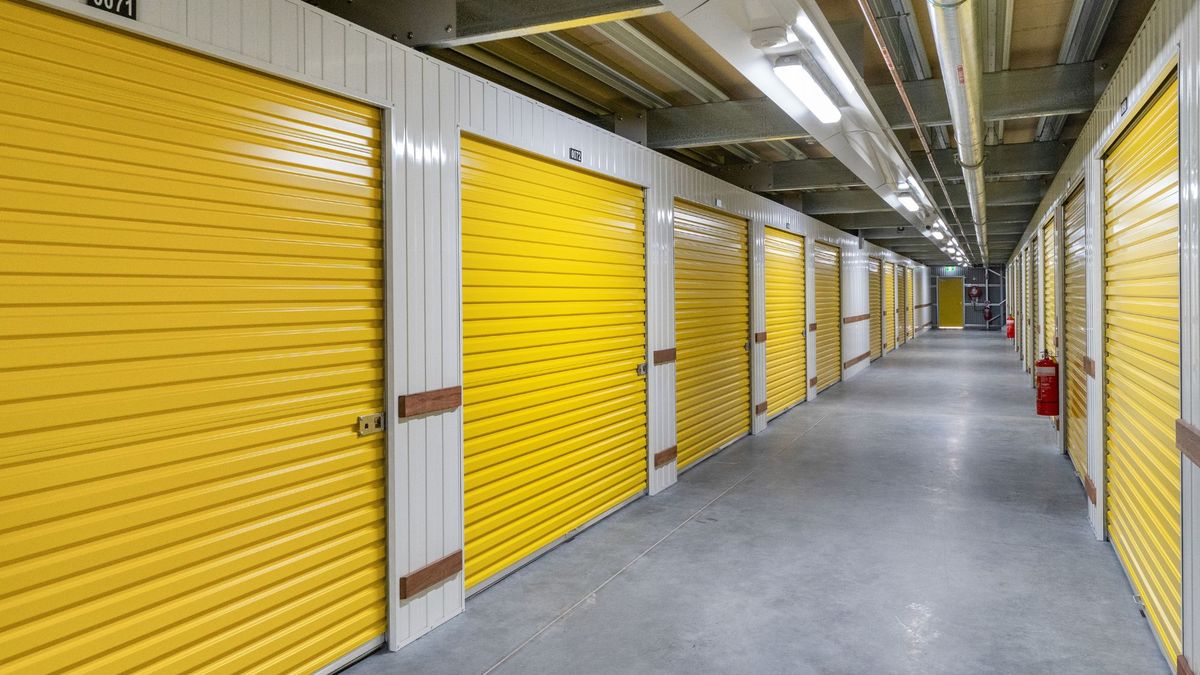
A drive-up storage unit is easy to load—but without a plan, it can quickly become hard to use. Many Round Rock residents fill their unit efficiently but not accessibly, which leads to digging through boxes later. The solution is simple: organize your drive-up unit by zones. A zone-based layout keeps items protected, visible, and easy to reach. Why Storage Units Become Hard to Use Most storage problems come from stacking without a system: Frequently used items get buried Heavy items damage lighter ones Airflow is blocked Access becomes difficult A zone layout fixes these problems from the start. The Zone-Based Storage Approach Instead of filling a unit from back to front, divide it into functional sections. Each zone has a purpose, making the unit easier to use over time. Benefits include: Faster item retrieval Less unloading to reach one item Better airflow Safer weight distribution Zone 1: Quick-Access Front Area This zone sits just inside the door and holds items you use most often. Store here: Seasonal décor bins Toolboxes Sports equipment Small appliances used occasionally Organization tips: Keep items within the first few feet of the unit Use labeled plastic bins Store items at waist height when possible This zone saves time during quick visits. Zone 2: Side-Wall Storage Area Side walls are ideal for vertical storage. Store here: Shelving with labeled boxes Smaller furniture pieces Stackable totes Setup tips: Use sturdy freestanding shelving Place heavier items on lower shelves Leave small gaps between items and walls Vertical storage keeps the floor open and organized. Zone 3: Furniture Storage Area Large items need protection and stability. Store here: Sofas and chairs (upright when possible) Mattresses in protective covers Tables with legs removed Protection tips: Use breathable furniture covers Elevate furniture off the floor Avoid stacking boxes on furniture This prevents pressure damage and keeps items in good condition. Zone 4: Long-Term Storage Area (Back of Unit) The rear of the unit should hold items rarely accessed. Store here: Keepsake boxes Archived documents Out-of-season household goods Holiday décor used once a year Best practices: Label boxes clearly on multiple sides Use uniform bin sizes for stacking Leave small gaps for airflow Keeping long-term items in the back prevents disruption. The Center Aisle: The Most Important Feature A storage unit should always have a clear walkway from front ...


Habib Ahsan
February 17th, 2026


What Georgetown Home Sellers Store to Stage Clean, Show-Ready Properties


When selling a home in Georgetown, staging matters. Buyers don’t just look at square footage — they look at space, light, and how rooms feel. Too much furniture or personal clutter can make even a large home feel smaller. That’s why many sellers use temporary storage during the listing process. Moving a few key items out of the home helps buyers focus on the property itself, not what’s inside it. Why Storage Helps Homes Show Better A staged home should feel: Open and easy to walk through Bright and uncluttered Neutral and welcoming Organized in every room Storage gives sellers a place to keep belongings safe while the home stays clean and show-ready. Furniture Sellers Commonly Store Large or extra furniture is often the first thing removed during staging. Oversized Living Room Furniture Sectional sofas Recliners Large entertainment centers Extra side tables Reducing furniture helps rooms look larger in listing photos. Extra Bedroom and Dining Furniture Spare dressers or nightstands Guest-room overflow pieces Extra dining chairs Staging focuses on function, not fullness. Personal Items That Should Be Stored Buyers need to picture themselves in the home. Personal items make that harder. Common items sellers store include: Family photos Memorabilia Personalized décor Hobby displays Large collections Removing these creates a neutral environment for showings. Decluttering Closets and Storage Areas Closet space is a major selling point. Overfilled closets can make storage areas look small. Bedroom Closets Off-season clothing Extra shoes Rarely used accessories Linen and Hall Closets Extra bedding and towels Bulk supplies Storage overflow A good rule: closets should be about half full during showings. Garage and Outdoor Space Decluttering Buyers pay attention to garages and yards more than sellers expect. Garage Items to Store Seasonal décor Tool collections Storage bins Equipment not used weekly Yard and Patio Items Extra outdoor furniture Gardening supplies Children’s outdoor toys Clear outdoor areas improve curb appeal and make spaces feel larger. Preparing Items for Temporary Storage Storage during staging is temporary, so organization matters. Sort by Timeline Items needed before closing Items needed after moving Non-essential items packed first Pack for Easy Retrieval Use plastic bins when possible Label by room Cover furniture to prevent dust This makes the final move easier. Using Storage During the Selling Process Storage can help at every stage of selling. Before Listing Photos Remove excess furniture Clear counters and shelves Simplify room layouts During Showings Keep the ...


Habib Ahsan
February 14th, 2026


Pflugerville Neighbors: Why Drive-Up Access Cuts Moving Day Time in Half


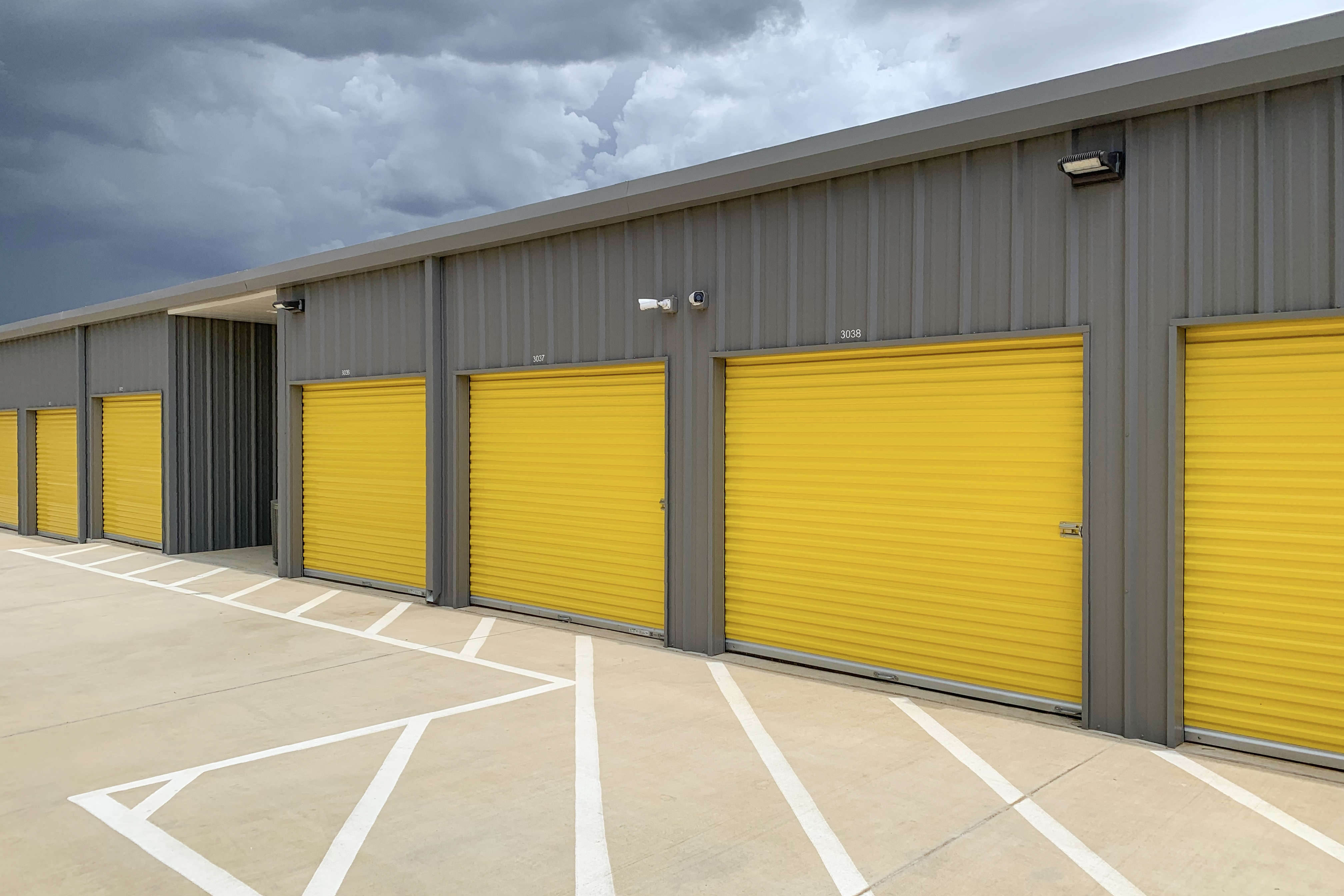
Moving day rarely takes longer because of packing — it takes longer because of distance, lifting, and logistics. For many Pflugerville residents, the biggest time saver isn’t a bigger truck or more helpers — it’s drive-up storage access. Being able to park directly at your storage unit removes extra steps and keeps the move moving. What Drive-Up Access Actually Means Drive-up storage units are located at ground level, allowing you to: Park directly in front of the unit Open a wide roll-up door Move items straight from vehicle to storage There are no hallways, elevators, or loading docks slowing you down. On moving day, that difference adds up quickly. Traditional Storage vs. Drive-Up Storage Workflow Indoor Storage Workflow Typical steps include: Parking in a lot or loading zone Moving items onto carts Waiting for elevators Walking down hallways Repeating the process multiple times Each step adds time and fatigue. Drive-Up Storage Workflow With drive-up access: Park at the unit Unload directly inside Return to the vehicle immediately Fewer steps mean faster progress. Items That Move Faster with Drive-Up Access Drive-up storage makes the biggest difference when moving: Heavy Furniture Sofas and sectionals Dressers and bed frames Dining tables Appliances Large Box Loads Kitchen boxes Garage bins Book boxes Seasonal storage containers Oversized Items Mattresses Bikes Shelving units These items take the most effort to move — and benefit most from shorter distances. Less Distance = Less Physical Strain Drive-up storage reduces: Repeated lifting onto carts Stair and elevator use Long carrying distances Fatigue during long moving days When helpers or movers can work in a steady rhythm, the entire move becomes more efficient. Planning a Faster Move with Drive-Up Storage Before Moving Day Label boxes by room Pack heavy items in smaller boxes Plan loading order in the truck Preparation prevents delays. During the Move Inside the unit: Place furniture along side walls Stack boxes vertically Leave a center aisle for access This keeps the unit organized while unloading continues. Drive-Up Storage Makes Staged Moves Easier Many Pflugerville residents don’t move everything in one day. Drive-up storage works well for: Moving non-essential items first Decluttering before listing a home Storing furniture during renovations Reducing moving-day workload Breaking a move into phases reduces stress. Choosing the Right Unit Size for Moving 5×5 or 5×10 Apartment overflow Small staged moves 10×10 or 10×15 Partial household moves Furniture storage 10×20 or larger Full household moves Garage and ...


Habib Ahsan
February 8th, 2026


Round Rock Entrepreneurs: Micro-Warehouse Approach for Small Business Storage


Many Round Rock entrepreneurs don’t need a full warehouse — they need organized, flexible space that supports daily operations. That’s where the micro-warehouse approach comes in. Using a storage unit as a small operations hub allows business owners to store inventory, tools, and supplies without committing to expensive commercial space. When set up correctly, a storage unit can function like a compact warehouse that improves workflow and efficiency. Why Small Businesses in Round Rock Use Storage as a Micro-Warehouse Small businesses often outgrow garages, spare rooms, or work vehicles before they’re ready for a warehouse lease. Common reasons entrepreneurs use storage include: Managing growing inventory Storing tools and equipment securely Separating business items from home space Reducing overhead while scaling operations A storage unit provides room to grow without long-term commitments. What a Micro-Warehouse Storage Strategy Looks Like A micro-warehouse is simply a well-organized storage unit used to support daily business activity. This approach works especially well for: Contractors and service providers Online sellers and resellers Event planners and rental businesses Landscapers and maintenance companies Mobile repair or installation businesses The goal isn’t just storage — it’s creating an efficient system for accessing inventory and equipment. Why Drive-Up Storage Works for Business Operations Drive-up storage is especially useful for small business workflows. Faster Logistics Load tools or inventory directly from your vehicle Move bulky equipment without stairs or hallways Reduce time spent transporting supplies Lower Operating Costs No long-term warehouse lease Flexible month-to-month storage Scale space as inventory grows For many businesses, this balance of cost and convenience makes drive-up storage a practical solution. How to Design a Micro-Warehouse Layout Organization is what turns a storage unit into a micro-warehouse. Create Storage Zones Divide the unit into functional areas: Receiving zone near the entrance Inventory storage along side walls Equipment storage separate from products Packing or staging area near the aisle This layout keeps operations simple and repeatable. Use Vertical Storage to Maximize Space Shelving and vertical storage make a major difference. Recommended setup: Heavy-duty shelving for inventory Stackable bins labeled by product category Wall hooks for cords, tools, and small equipment Keeping items off the floor improves visibility and efficiency. Inventory Organization That Saves Time Organize by Product Category or SKU Group similar ...


Habib Ahsan
February 4th, 2026


Georgetown Families: Drive-Up Storage for Downsizing or Decluttering


Downsizing or decluttering is becoming more common for Georgetown families—whether you’re moving to a smaller home, preparing a house for sale, or simply trying to regain usable space. The challenge isn’t getting rid of everything at once; it’s figuring out what to keep, what to store, and how to stay organized during the process. That’s where drive-up storage plays a practical role. It gives families flexibility to make thoughtful decisions without turning the home into a constant work zone. Downsizing vs. Decluttering: Know Which One You’re Doing Understanding your goal helps you use storage the right way. Downsizing Reducing overall living space long-term Keeping important items without daily access Often emotional and time-sensitive Requires room to make decisions gradually Decluttering Removing excess items from daily living areas Improving organization without permanent removal Often temporary or seasonal Focused on access and rotation Drive-up storage works well for both, especially when timelines aren’t fixed. Why Drive-Up Storage Works for Georgetown Families Easier During Transitions Park directly in front of the unit Load furniture and boxes without stairs or hallways Fewer trips and less handling Flexible Without Pressure Month-to-month options support changing plans Easy to size up or down as needs shift Ideal for staged decluttering or gradual downsizing For families, convenience reduces stress and keeps momentum going. What Families Commonly Store While Downsizing Furniture & Large Items Dining tables, couches, bedroom sets Extra seating or guest-room furniture Children’s furniture saved for future use Personal & Household Belongings Keepsakes and photo collections Seasonal décor and holiday items Hobby equipment and collections Storing these items off-site creates breathing room at home. Prepare Items the Right Way Before Storing Sort with Intention Separate items into keep, store, and donate Create a “decide later” category Avoid rushed decisions driven by clutter Pack for Easy Access Use clear or well-labeled bins Label by room and priority Group related items together Good labeling saves time during review visits. Organizing a Drive-Up Unit for Decision-Making Layout That Supports Review Front area: items you plan to evaluate soon Back area: long-term keeps Clear center aisle for safe access Use Vertical Space Smartly Add shelving for boxes and décor Store furniture upright with padding Avoid stacking items too tightly This setup lets you access items without unloading the unit. Storage as a Tool—Not a Holding ...


Habib Ahsan
February 3rd, 2026


Pflugerville Parents: Storing Kids’ Gear During Sports Off-Season


If you’re a parent in Pflugerville, you already know how fast kids’ sports gear adds up. Cleats, pads, helmets, bats, bags—when the season ends, all of it usually ends up piled in the garage or stuffed into closets. Off-season storage isn’t just about space. It’s about protecting gear, reducing stress, and making the next season easier. When stored correctly, sports equipment lasts longer and is ready when you need it. Why Kids’ Sports Gear Becomes a Problem at Home Most sports gear sits unused for months during the off-season. When it’s stored at home, common issues include: Gear stacked without airflow Damp equipment creating odors or mold Heavy bags crushing lighter items Lost pieces when gear from multiple kids gets mixed together These problems often lead to replacing gear sooner than necessary. How Off-Season Storage Helps Families Using off-season storage allows parents to: Free up garage and closet space Keep gear clean and organized Reduce wear caused by poor stacking Make season changes smoother and faster It’s a practical solution for families juggling multiple sports and schedules. Sort Gear by Sport and Season First Before storing anything, sort gear into clear categories. Group by Sport Team sports (soccer, baseball, football, basketball) Individual sports (gymnastics, martial arts, tennis) Summer and water activities Cold-weather or travel sports Decide What Goes Into Storage Off-season-only gear goes into storage Weekly or year-round items stay at home Outgrown gear gets separated for donation or resale Sorting first prevents confusion later. Prep Gear Before Storing (Most Important Step) Clean and Fully Dry Everything Wash uniforms and practice clothes Wipe down helmets, pads, and guards Let shoes, gloves, and pads dry completely Storing damp gear is the fastest way to create odors and damage. Pack the Right Way Use plastic bins for helmets and hard gear Use breathable bags for pads and uniforms Label bins by sport, child’s name, and season Clear labels save time when seasons overlap. Best Storage Option for Kids’ Sports Gear Why Drive-Up Storage Works Best for Parents Easy loading after the final game No stairs or hallways with heavy bags One-trip drop-off and pickup For families managing multiple kids and sports, convenience matters. Climate vs Non-Climate Storage Clean, dry gear stores well in non-climate units Climate control may ...


Habib Ahsan
January 31st, 2026


Best Items to Store in Round Rock Non-Climate Units (Zero-Regret Guide)


Non-climate storage gets a bad reputation—but in Round Rock, many residents use it successfully every day. The key isn’t upgrading to climate control—it’s knowing what belongs in a non-climate unit and how to store it properly. This guide shows you exactly which items store well without climate control, which ones don’t, and how to avoid costly mistakes. When Non-Climate Storage Is the Smart Choice in Round Rock Non-climate storage makes sense when: Items are built to handle temperature changes Storage is seasonal or short-to-medium term Items are prepared and stored correctly You want easy drive-up access at a lower cost Most damage blamed on “heat” actually comes from poor preparation and lack of airflow, not the unit itself. What “Zero-Regret” Storage Really Means Zero-regret storage items share three traits: They’re made from durable materials They tolerate humidity when elevated and ventilated They’re easy to inspect and rotate Regret usually comes from storing the wrong items, not from choosing non-climate storage. Materials That Handle Non-Climate Storage Well Solid Materials That Hold Up Solid wood with sealed finishes Powder-coated or painted metal Outdoor-rated plastics and resins Items Accessed Regularly Seasonal décor Tools and equipment Sports and outdoor gear Items that sit untouched for years are higher risk—rotation matters. Best Household Items for Non-Climate Storage Furniture That Stores Well Solid wood dressers, tables, bed frames Metal shelving, filing cabinets, and bed frames Outdoor furniture made of resin or aluminum Tip: Elevate furniture and use breathable covers—never plastic wrap. Household Goods & Décor Holiday decorations Yard décor and inflatables Pots, pans, and basic kitchenware Storage totes with tight-fitting lids Plastic bins outperform cardboard for long-term storage. Tools, Equipment & Garage Items (Low-Risk Category) Hand & Power Tools Steel tools with a light oil coating Power tools stored without batteries Toolboxes kept off the floor Lawn & Yard Equipment Lawn mowers with fuel stabilized Trimmers and blowers cleaned before storage Pressure washers fully drained These items are designed for garages—non-climate storage works well. Sports, Recreation & Outdoor Gear Gear Built for Outdoor Use Bicycles and scooters Kayaks, paddleboards, and canoes Camping gear (fully dried) Smart Storage Tips Hang bikes vertically Store kayaks on padded racks Use breathable covers Keep everything elevated Outdoor gear belongs in non-climate storage when it’s dry and organized. Business & Commercial Items That Store Safely Inventory & Supplies Retail inventory ...


Habib Ahsan
January 28th, 2026


Georgetown Residents: Reducing Moisture Risk Without Climate Control


Not every storage situation requires climate control. Many Georgetown residents successfully use non-climate storage—but only when moisture is managed correctly. In Central Texas, moisture—not heat—is the biggest risk to stored belongings. Understanding how moisture forms and how to prevent it allows you to store safely without paying for features you don’t need. This guide explains exactly how to reduce moisture risk in non-climate storage, using proven, practical steps. Why Moisture Is the Real Problem in Central Texas Storage Moisture damage doesn’t come from leaks—it comes from humidity and condensation. In Georgetown, common moisture triggers include: Warm daytime air cooling quickly at night High humidity during spring and summer Concrete floors holding moisture after rain Packed units with no airflow Even dry-looking units can trap moisture if they’re not set up properly. How Moisture Builds Up Inside Non-Climate Units Condensation from Temperature Changes When warm air cools, it releases moisture. Inside a storage unit, this moisture settles on: Metal surfaces Plastic bins Concrete floors This process happens quietly and repeatedly. Ground-Level Moisture Concrete naturally absorbs moisture from the ground. Items placed directly on the floor absorb that moisture Furniture legs and box bottoms are affected first Damage often starts underneath where it’s unseen Lack of Airflow When items are packed tightly: Moist air gets trapped Moisture can’t escape Mold and mildew form faster Items Most at Risk Without Climate Control Furniture Upholstered pieces absorb moisture Pressed wood (particleboard, MDF) swells and breaks down Mattresses trap humidity internally Paper and Fabrics Cardboard weakens and collapses Clothing develops musty odors Books warp and stick together Metal Items Tools and appliances rust Hinges and fasteners corrode first Moisture damage often appears small—but spreads Moisture Prevention Starts Before You Store Anything Clean and Fully Dry All Items Never store damp furniture or fabrics Allow cushions, rugs, and clothing to fully air-dry “Mostly dry” items are a common cause of mold Choose the Right Containers Use plastic bins for fabrics and household items Avoid thin cardboard for long-term storage Do not wrap furniture tightly in plastic—this traps moisture How to Set Up a Moisture-Smart Storage Unit Elevate Everything This is non-negotiable. Place items on pallets, shelving, or treated boards Keep a minimum of 2–3 inches off the concrete Protects from floor moisture and improves airflow Allow Air to Move Leave ...


Habib Ahsan
January 25th, 2026


Pflugerville Residents: Drive-Up Storage for Sports & Outdoor Equipment


If you live in Pflugerville, chances are your home includes bikes, sports gear, camping supplies, or yard equipment. These items are meant to be used outdoors—but storing them at home often creates a daily headache. Garages fill up fast. Closets weren’t built for helmets and paddles. And leaving equipment outside exposes it to sun, rain, and pests. That’s where drive-up storage becomes a practical solution—especially for active households that want easy access without cluttering their home. Why Drive-Up Storage Works So Well for Outdoor Gear Drive-up storage units are ground-level spaces you can park directly in front of. For sports and outdoor equipment, that convenience matters more than people realize. Easy Loading and Unloading Pull your car or truck right up to the unit No stairs, hallways, or elevators Faster drop-offs after games, practices, or trips Built for Bulky Items Wide doors make it easy to store bikes, kayaks, or lawn tools Ground-level access means no heavy lifting Perfect for items that don’t fit neatly into boxes For Pflugerville families with busy schedules, drive-up access turns storage into a quick stop instead of a chore. Sports & Outdoor Equipment That Stores Best in Drive-Up Units Sports Equipment Bicycles (adult and kids’)Hang vertically to save floor space Keep tires off the ground to avoid flat spots Team sports gearUse rolling bins for balls, pads, and uniforms Label bins by sport or season for quick access Home fitness equipmentStore benches, weights, and mats along the walls Keep heavier items low and stable Outdoor Recreation Gear Kayaks and paddleboardsStore on wall racks or padded stands Tilt slightly to prevent water from collecting Camping suppliesBin tents, lanterns, and cookware separately Keep fuel canisters sealed and upright Fishing gearStand rods upright in protective tubes Organize tackle by freshwater or saltwater use Yard and Utility Equipment Lawn mowers and trimmersClean before storage Use fuel stabilizer during off-season months Pressure washers and generatorsDrain hoses and tanks Elevate off the floor to avoid moisture exposure How to Organize a Drive-Up Unit for Daily Use A well-organized unit saves time every time you visit. Smart Layout Tips Place heavy equipment along side walls Keep a clear walking path down the center Store frequently used items near ...


Habib Ahsan
January 20th, 2026


Round Rock RV Parking: Prep for Tires, Batteries & Weather Exposure


Owning an RV in Round Rock, TX means year-round adventures—but when your RV isn’t on the road, proper parking preparation is essential. Texas heat, UV exposure, and long periods of inactivity can cause unnecessary wear if you don’t take the right steps. Whether you’re using outdoor RV parking or covered storage, preparing your tires, batteries, and exterior can significantly extend your RV’s lifespan. Tire Prep: Prevent Flat Spots & UV Damage RV tires are built for weight—not long periods of inactivity. Before parking: Inflate tires to manufacturer-recommended PSI Use tire covers to block UV rays Move the RV slightly every few weeks if possible Place RVs on leveling blocks or pads to reduce ground heat These steps help prevent cracking, dry rot, and flat spotting. Battery Care: Avoid Costly Replacements RV batteries naturally lose charge over time, especially in heat. To protect them: Disconnect batteries if parking long-term Use a trickle charger or battery maintainer Clean terminals to prevent corrosion Check water levels in lead-acid batteries Proper battery care ensures your RV is ready when you are. Weather Protection: Texas Sun, Storms & Heat Round Rock’s climate can be tough on RV exteriors. Reduce weather-related wear by: Washing and waxing before storage Sealing roof seams, windows, and vents Using breathable RV covers for outdoor parking Choosing covered RV parking when available These steps minimize fading, seal damage, and moisture intrusion. Outdoor vs. Covered RV Parking: Which Is Right? Outdoor RV parking is ideal for frequent use and budget-friendly storage Covered parking provides added protection from UV and hail for long-term storage Your choice depends on how often you use your RV and how long it will be parked. A Smart RV Parking Solution in Round Rock At Round Rock Secure Storage, RV owners benefit from: Secure gated access and wide parking lanes Outdoor and covered RV parking options Flexible month-to-month leasing Convenient access near Round Rock neighborhoods Final Thoughts Proper preparation makes all the difference when parking an RV. By caring for your tires, batteries, and exterior, Round Rock RV owners can avoid costly repairs and keep their RV road-ready year-round. ...


Habib Ahsan
January 16th, 2026


Items per page
10
1 - 10 of 58 posts
Categories