
RV & Boat Open Parking in Round Rock: What to Know Before You Park
RV & Boat Open Parking in Round Rock: What to Know Before You Park
Habib Ahsan
March 12th, 2026
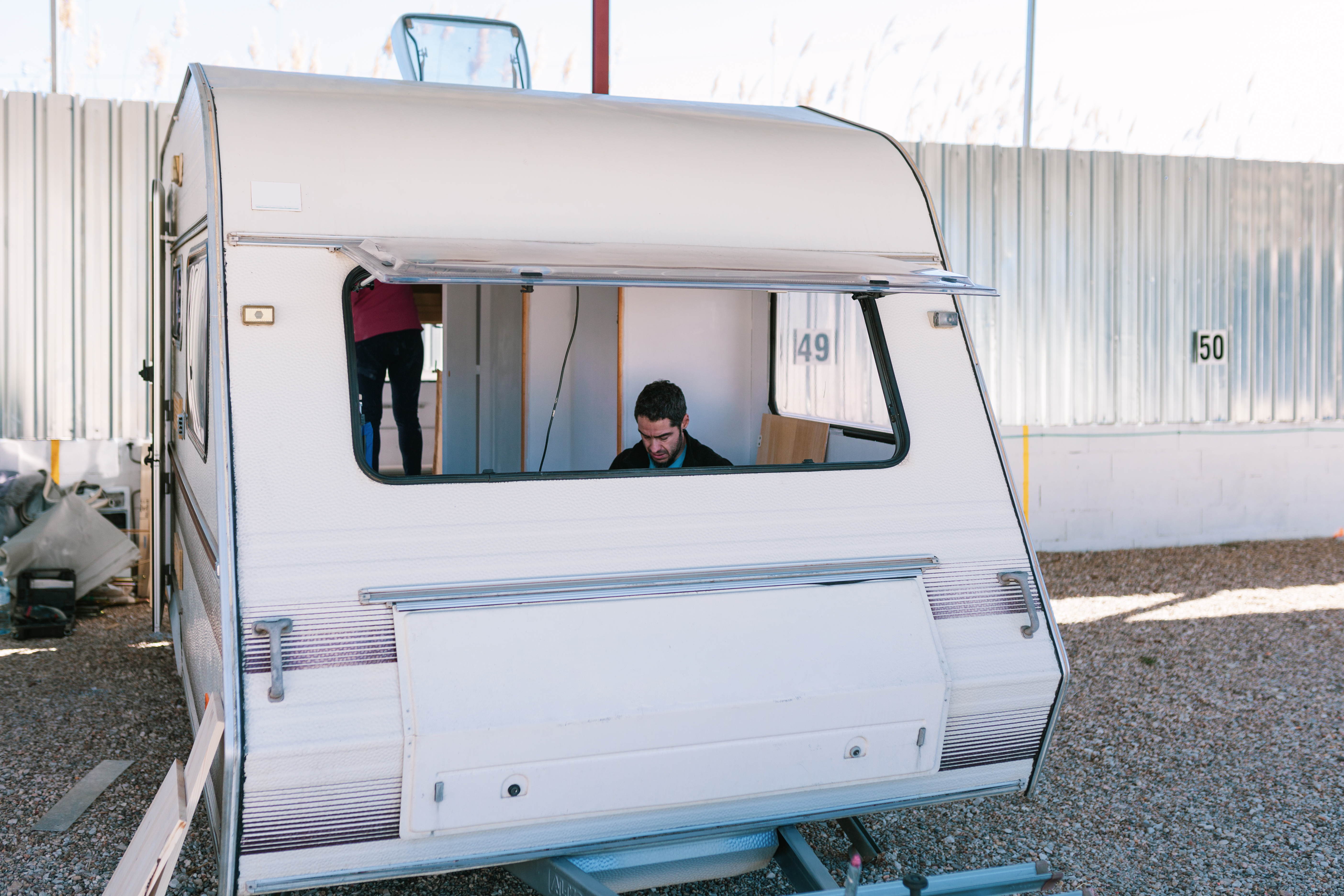
Owning an RV or boat in Round Rock comes with one common challenge: where to store it when you're not using it. Many neighborhoods and HOAs restrict driveway parking, and large vehicles can take up valuable space at home. That’s why open RV and boat parking is a popular storage option. It’s affordable, flexible, and designed for large vehicles. However, storing an RV or boat outdoors requires a little preparation to keep your vehicle protected.
What Open RV & Boat Parking Means
Open parking refers to outdoor storage spaces specifically designed for large vehicles. Unlike enclosed storage, these spaces are uncovered but located inside a secure storage facility. Typical features include:
- Designated RV and boat parking spaces
- Wide drive lanes for maneuvering trailers
- Level gravel or paved surfaces
- Gated facility access
These spaces are built to accommodate vehicles that may be difficult to store at home.
Why Many Owners Choose Open Parking
Open parking is often the most practical option for RV and boat owners.
Lower Storage Cost
Open storage generally costs less than covered or enclosed storage. For many owners, it provides the protection they need without paying for features they may not use.
Easier Vehicle Access
Outdoor parking makes it easier to:
- Enter and exit with trailers
- Maneuver large vehicles
- Load gear before trips
There are typically no height restrictions, which helps with larger RVs or boats.
Prepare Your RV or Boat Before Parking
A few simple steps before storing your vehicle can prevent future problems.
Clean the Exterior
Before parking your RV or boat:
- Wash off dirt, road grime, and bugs
- Clean roof areas and vents
- Remove salt or debris
Clean surfaces reduce the risk of mildew or long-term buildup.
Prepare the Interior
Inside the vehicle:
- Remove food or perishables
- Empty refrigerators and coolers
- Wipe down interior surfaces
A clean interior prevents odors and pests.
Drain Water Systems
For long-term storage:
- Empty freshwater tanks
- Drain gray and black tanks for RVs
- Use dump stations before parking
Dry plumbing systems help prevent odors and buildup.
Protect Tires During Outdoor Storage
Tires are one of the most vulnerable parts of vehicles stored outdoors.
Basic Tire Care
Before parking:
- Inflate tires to recommended pressure
- Install UV-protective tire covers
- Use wheel chocks to stabilize the vehicle
Sun exposure can weaken rubber over time, so covers are helpful.
Long-Term Tire Maintenance
During storage:
- Check tire pressure monthly
- Inspect for cracking or wear
- Move the vehicle slightly if stored for long periods
Regular checks extend tire life.
Inspect Roof and Seals
Sun, rain, and debris can affect exposed surfaces.
Check Important Areas
Inspect:
- Roof seams
- Window seals
- Vent openings
- Skylights and edges
Small cracks can lead to leaks if left untreated.
Preventive Care
Helpful steps include:
- Cleaning debris from roof surfaces
- Applying sealant when needed
- Using breathable covers for extra protection
Preventive maintenance helps avoid costly repairs.
Battery and Electrical Preparation
Electrical systems should be secured before long storage periods.
Battery Care
Recommended steps include:
- Disconnect batteries when storing long-term
- Clean battery terminals
- Use a battery maintainer if needed
This prevents unnecessary battery drain.
Electrical System Check
Before leaving the vehicle:
- Turn off appliances
- Check power connections
- Ensure external connectors are protected
These steps reduce electrical issues.
Choosing the Right Parking Spot
Not all outdoor parking spaces are the same.
Surface and Drainage
Look for:
- Level parking surfaces
- Gravel or pavement designed for heavy vehicles
- Proper drainage to prevent standing water
Stable surfaces protect tires and suspension.
Space and Maneuverability
Choose a facility with:
- Wide driving lanes
- Adequate parking length
- Room to hitch or unhitch trailers
Easy maneuvering is especially important for large vehicles.
Security Features to Look For
Vehicle security matters when storing off-site.
Facility Security
A good storage facility should offer:
- Controlled gate access
- Well-maintained grounds
- Clear parking layout
These features help maintain an organized and secure environment.
Personal Security Measures
Owners can also take additional steps:
- Install hitch locks on trailers
- Lock all vehicle compartments
- Use wheel locks if needed
Small precautions add extra protection.
Perform Periodic Storage Checks
Even when vehicles are stored properly, occasional inspections help prevent issues.
Monthly Check
During storage, inspect:
- Tire pressure
- Roof condition
- Covers and seals
- Signs of water intrusion
Quick checks catch small problems early.
Pre-Trip Inspection
Before using the vehicle again:
- Check tire condition
- Test lights and brakes
- Inspect the hitch or coupler
- Confirm electrical connections
These steps ensure safe travel.
Common RV and Boat Storage Mistakes
Many issues happen because vehicles are stored without preparation.
Skipping Basic Preparation
Common mistakes include:
- Leaving tanks full
- Parking without cleaning surfaces
- Ignoring seal inspections
Preparation protects your vehicle.
Ignoring Routine Checks
Without periodic inspections, owners may miss:
- Tire damage
- Battery problems
- Small leaks
Regular checks help avoid larger repairs later.
When Covered Storage May Be Worth Considering
Open parking works well for many vehicles, but covered storage may make sense when:
- Storing a vehicle long-term
- Protecting high-value RVs or boats
- Reducing exposure to intense sun
Each option has advantages depending on your storage needs.
Final Takeaway
Open RV and boat parking is a practical and affordable storage solution for many Round Rock owners. With proper preparation, regular inspections, and the right facility, outdoor storage can keep vehicles safe and ready for the next trip.
Categories