Non-Climate Storage in Texas Summer: Preventing Heat & Humidity Damage
Non-Climate Storage in Texas Summer: Preventing Heat & Humidity Damage
Habib Ahsan
May 18th, 2026
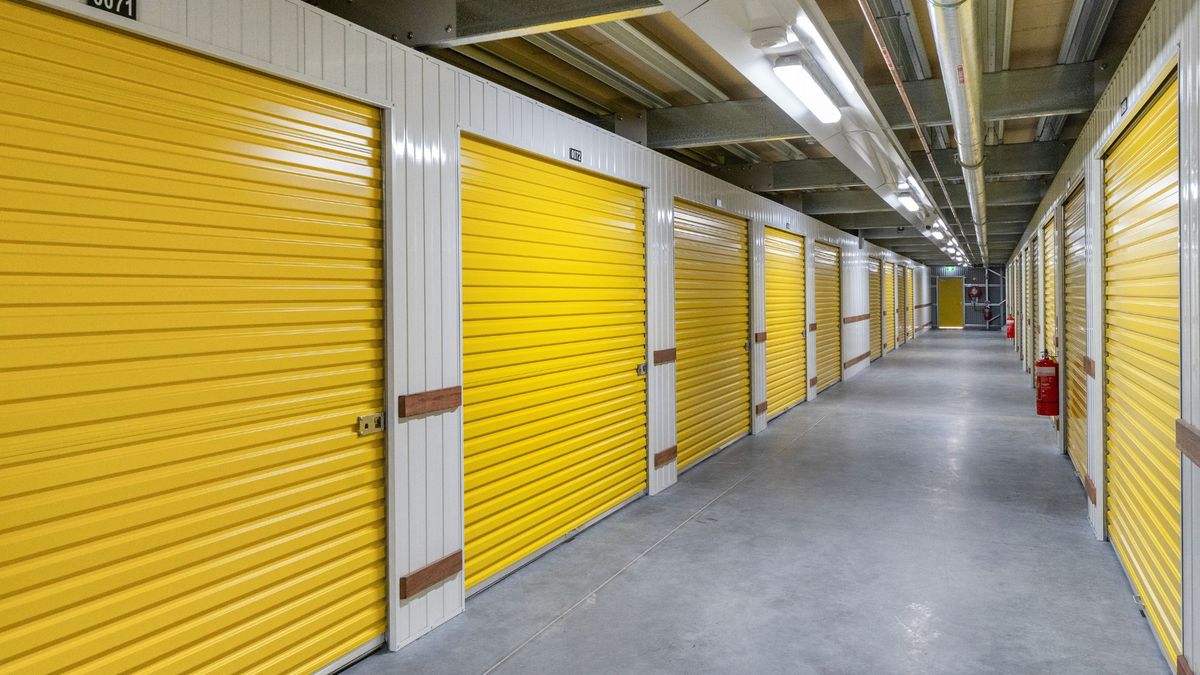
Texas summers are no joke. By June, temperatures in Round Rock and across Central Texas are routinely climbing past 95 degrees — and inside a storage unit, it can get significantly hotter than that. If you are relying on non-climate storage through the summer months, knowing how to pack and prepare your belongings makes a real difference in what comes out the other side undamaged. The heat itself is only part of the challenge. Central Texas also brings humidity, especially during the stretch from June through September. That combination — high heat and trapped moisture — is what does the most damage to stored items over time. The good news is that most of it is preventable with the right approach.
What Heat and Humidity Actually Do to Stored Belongings
Before you can protect your things, it helps to understand what you are protecting them from. Heat and humidity do not just make a unit uncomfortable to walk into — they actively degrade certain materials over time. Wood expands and contracts as temperatures swing, which leads to warping, cracking, and weakened joints in furniture. Cardboard boxes absorb moisture and lose structural integrity, sometimes collapsing under their own weight. Electronics are particularly vulnerable — heat accelerates the breakdown of internal components, and moisture can cause corrosion that is not always visible until you try to power something on. Fabrics, leather, photographs, vinyl records, and artwork are also at risk. The damage is often gradual, which is exactly why so many people are caught off guard when they open their unit after a few months and find things in worse condition than they left them.
Smart Packing Choices That Reduce Summer Risk
The single most effective upgrade you can make for summer storage is switching from cardboard boxes to hard-sided plastic bins with airtight lids. Plastic does not absorb moisture. It holds its shape in the heat. And a sealed bin creates a much more stable environment for whatever is inside it. Beyond the containers themselves, here are the packing choices that make the biggest difference in non-climate storage through a Texas summer:
- Use silica gel packets inside bins and boxes — these absorb ambient moisture and are inexpensive to buy in bulk
- Wrap wood furniture in breathable moving blankets, not plastic sheeting — plastic traps moisture against the surface and accelerates damage
- Elevate items off the floor using pallets or shelving to allow air circulation underneath and reduce heat absorption from concrete
- Disassemble large furniture where possible — flat pieces warp less than assembled ones, and each component can be wrapped individually
- Leave a few inches of space between items and the walls — this allows air to move around the perimeter of the unit rather than stagnating
- Store electronics in sealed bins with padding and place a silica packet directly inside before sealing
Which Items Need the Most Attention in Summer Heat
Not everything in your unit is equally at risk. Metal tools, most plastics, and sealed containers with dry contents tend to handle Texas heat reasonably well. Other materials need deliberate protection before they go into a non-climate unit for the summer.
Categories That Deserve Extra Preparation
Prioritize careful packing for these types of belongings:
- Solid wood and upholstered furniture
- Photographs, film negatives, and printed artwork
- Vinyl records, cassette tapes, and optical media
- Electronics, including televisions, computers, and audio equipment
- Leather goods, clothing, and natural fiber textiles
- Candles, wax-based products, and certain adhesives that can melt in extreme heat
Candles, in particular, are worth calling out. They can melt into other belongings if not stored in a sealed container away from direct heat exposure inside the unit — a mess that is very difficult to reverse.
Timing Your Visits to Beat the Texas Heat
One practical tip that costs nothing: schedule your storage visits strategically. The hottest point inside a unit typically occurs in the early-to-mid afternoon, when the sun has been heating the building for hours. Early morning is the coolest window of the day and the best time to load or unload. This matters for a couple of reasons. Working in a cooler unit is less exhausting. And the less time your unit door is open during peak heat, the less hot air cycles in and replaces whatever cooler air was sitting inside. Keeping visits efficient — focused and intentional rather than drawn out — helps preserve the unit’s internal environment. At Round Rock Secure Storage, facility access runs daily from 6 AM to 10 PM, which gives you plenty of flexibility to schedule morning visits before the worst of the summer heat sets in. Drive-up ground-floor access means you can load and unload directly from your vehicle to your unit without long walks across a hot parking lot.
What Non-Climate Storage Is Still the Right Choice For
Non-climate storage is the right fit for a wide range of belongings, and the Texas summer does not change that. Renters across Round Rock, Pflugerville, Georgetown, Brushy Creek, and North Austin use standard drive-up units year-round for outdoor gear, lawn equipment, sporting goods, vehicles, holiday décor, tools, and general household overflow. These items are not sensitive to temperature swings in the same way that wood furniture, electronics, or photographs are. The key is matching the right items to the right storage environment — and prepping the sensitive ones properly before they go in. A little preparation at the start goes a long way toward protecting everything through a Central Texas summer.
Get Your Storage Set Up Before Summer Peaks
The best time to think about heat and humidity protection is before you load a unit, not after you notice something has been damaged. A bit of planning now means your belongings come out in the same condition they went in. Round Rock Secure Storage offers drive-up units starting at just $15 per month, with month-to-month rentals and no long-term commitment required.
You can reserve a storage unit online in just a few minutes, use the unit size guide to find the right fit for what you need to store, or get in touch with our team for packing advice and recommendations tailored to your situation.
Categories